

Blog
Diecast vs Resin Models

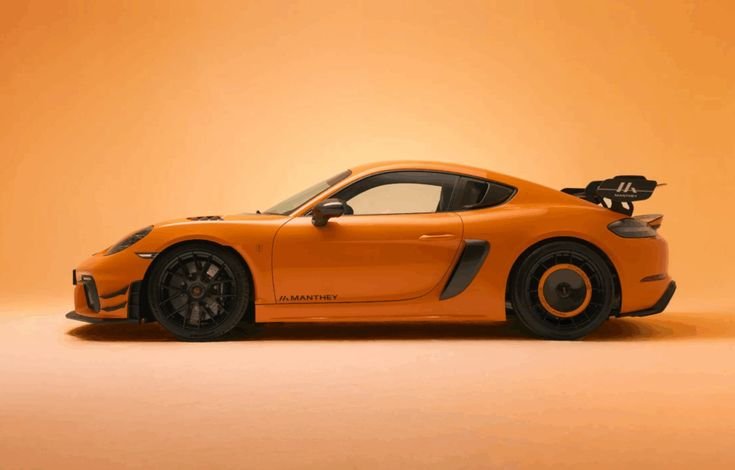

Many collectors often ask: “What’s the difference between diecast vs resin models?” If you love diecast cars and enjoy collecting model vehicles, understanding this comparison helps you make smarter purchases and care choices.
At https://drooloverdiecast.com/, we explore both diecast cars and resin model vehicles, helping you decide which suits your collection goals.
What Are Diecast Cars and Resin Models?
Before diving into differences, let’s define both:
- Diecast Cars: Small-scale models made by injecting molten metal into a mold — typically zinc alloy with plastic components for detail. Diecast cars are known for strength and mass-market appeal.
- Resin Models: Cast from resin polyurethane, these models often feature finer details and more accurate proportions. Resin models are common in limited runs and high-end collections.
Diecast vs Resin: Production and Detail
When comparing diecast vs resin models, one of the biggest differences is in production and detail. Diecast cars are typically mass produced, allowing greater consistency and larger runs. Resin models are often produced in smaller batches, giving craftsmen more time for fine detailing.
For collectors who prioritize highly detailed models with crisp lines and scale accuracy, resin might have an edge. However, diecast cars excel in durability and affordability.
Durability and Handling
For regular handling and display rotation, diecast cars are usually more durable. The metal body withstands handling better than resin, which can be more brittle. Resin parts — while detailed — are more prone to chips or cracks if dropped.
If you like handling your models frequently or using them in photography or display rotations, diecast cars can be more forgiving.
Value and Collectibility
When looking at diecast vs resin models, collectible value often depends on rarity and provenance. Limited-edition resin models often hold high value, especially in niche collector markets.
That said, rare diecast cars — especially vintage pieces or limited runs — also command premium prices among diecast cars collectors.
Display Considerations
Diecast cars are often easier to display due to their sturdier frames. Resin models may require more careful placement or protective cases since they could be more fragile.
Both diecast and resin models benefit from good display lighting and dust-free environments. At https://drooloverdiecast.com/, we recommend display cases for both to ensure longevity.
Cost Comparison
Generally, diecast cars are less expensive than resin models because of mass production. Resin models, due to smaller volumes and detail complexity, often come with higher price tags.
For collectors starting out, diecast cars offer accessibility, while seasoned collectors might prefer resin for specialized pieces.
Understanding the key differences in diecast vs resin models helps you build a balanced, beautiful, and meaningful collection. Both have a place in the hobby — and both can bring joy to enthusiasts.
Visit https://drooloverdiecast.com/ for more expert comparisons and buying guides that help you choose the best diecast cars and resin models for your collection.
Follow us on Instagram.
 1:18 Models
 1:43 Models
 1:64 Models
 Singles
 Frontiart Brand 1:64 Models



 1:64 Models
